
What to Pack for Yellowstone National Park
Complete packing checklist tailored to Yellowstone National Park's climate and culture
Climate Overview for Yellowstone National Park
Yellowstone National Park sits at high elevation, creating unpredictable conditions. Summer days in Yellowstone National Park bring bright sun and dry heat that warms the rock faces. But nights drop to a crisp chill. Sudden thunderstorms roll across the plateaus, bringing cool rain and gusty winds. In autumn, frost coats the boardwalks early in the morning, and the scent of pine hangs in the cold air. Winter blankets the geyser basins in deep, silent snow. This means packing for Yellowstone National Park requires layers you can add or shed quickly, waterproof outer shells, and sturdy footwear for traversing both steaming thermal areas and forested trails.
Clothing & Footwear
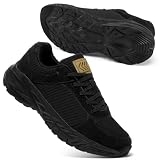
The boardwalks and trails of Yellowstone National Park demand supportive footwear. You will feel the hard, sometimes uneven surfaces underfoot for miles, from the Grand Prismatic Spring overlook to the rim of the Grand Canyon of the Yellowstone.

After a long day hiking to see Old Faithful or the Lamar Valley, you will appreciate underwear that wicks moisture and dries overnight in your lodge room.
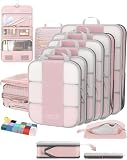
Layering for Yellowstone National Park's changeable climate means bringing more clothing. These cubes help organize thermal base layers, mid-layers, and rain gear efficiently in your luggage.

Essential for carrying water, snacks, and an extra layer on day hikes through the Norris Geyser Basin or while watching for wildlife along the Madison River.
Electronics & Gadgets
While outlets in the US are standard, this adapter's multiple USB ports are important for charging all devices overnight in older park lodges or cabins where outlets can be scarce.

Cell service is unreliable in Yellowstone National Park, causing phones to drain battery searching for signal. This power bank ensures your camera and GPS maps stay charged during a full day exploring from Mammoth Hot Springs to Yellowstone Lake.

A durable cable is necessary for the rough handling of daily travel in the park. Having spares means you can charge in the car, at a picnic area, and in your room simultaneously.
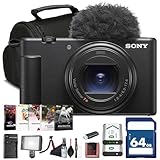
The vast landscapes and sudden wildlife encounters in Yellowstone National Park, like a bison herd crossing the road or steam rising from a fumarole, deserve better quality than a phone camera can capture.

Lodge rooms in Yellowstone National Park often have only one or two outlets. This strip lets you charge cameras, headlamps, and phones from a single point.
Toiletries & Health

Essential for treating minor scrapes from a trail stumble, blisters from long walks on the boardwalks, or headaches from the high elevation sun in Yellowstone National Park.

Saves space and avoids liquid spills in your luggage. The dry mountain air in Yellowstone National Park can be harsh on skin and hair, so a moisturizing bar is beneficial.

Important for managing medications across multiple time zones and long days away from your lodging while touring Yellowstone National Park.
Documents & Security
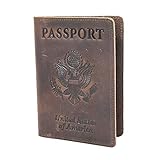
Keeps your passport, park pass, and credit cards organized and protected in crowded visitor centers like Old Faithful or Canyon Village.

A secure way to carry cash and cards discreetly under your layers during hikes or while navigating busy park facilities.
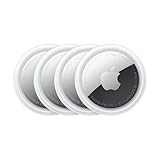
Provides peace of mind for checked luggage on flights to gateway airports like Bozeman or Jackson, and can help locate a daypack left at a picnic area in the vastness of Yellowstone National Park.
Comfort & Convenience

Lodge curtains in Yellowstone National Park may not block the early summer sunrise, which can disrupt sleep after a long day of exploration.

Useful for muffling sounds in thin-walled historic lodges or the noise of other guests in campgrounds, ensuring rest for early morning wildlife drives.

Good for chilly evenings watching the geysers, for an extra layer on a picnic, or for warmth during a long scenic drive through Hayden Valley.
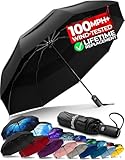
Sudden rain showers are common in Yellowstone National Park. A sturdy umbrella keeps you dry while walking between your car and a geyser basin viewpoint.
Outdoor & Hiking Gear
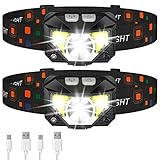
Essential for early morning or late evening visits to see wildlife, for navigating dark campground paths, or for reading maps after sunset in Yellowstone National Park.

While tap water in developed areas is safe, this filter allows you to safely refill bottles from backcountry streams during long hikes, tasting the clean, cold mountain water.

A critical safety item if you venture off main trails. The sound carries far in the quiet forests of Yellowstone National Park, much farther than a shout.
Seasonal Packing Adjustments
What to add or skip depending on when you visit
Summer
June, July, August
Add: Wide-brimmed sun hat, High-SPF sunscreen, Insect repellent
Shop Summer essentials →Skip: Heavy winter coat
Days are warm and dry. But always pack a rain jacket. Mosquitoes can be thick near meadows and lakes in July. Book lodging far in advance.
Fall
September, October
Add: Fleece jacket, Thermal base layers, Warm hat and gloves
Shop Fall essentials →Skip: Lightweight summer clothing
Mornings start with frost. Snow is possible, in October. You will see fewer crowds but some services and roads begin to close.
Winter
November, December, January, February, March
Add: Insulated snow boots, Heavy down parka, Sunglasses for snow glare
Shop Winter essentials →Skip: Standard walking shoes, Daypack without insulation
Access is primarily via guided snowcoach or snowmobile. The air feels bitingly cold, and the landscape is silent under deep snow. Most park roads are closed to regular vehicles.
Spring
April, May
Add: Waterproof boots, Mud gaiters, Multiple mid-layers
Shop Spring essentials →Trails are often muddy or snow-covered. Roads reopen gradually. You will hear the roar of meltwater in the rivers and see newborn wildlife.
Luggage Recommendation
A medium-sized duffel bag or soft-sided suitcase paired with a sturdy daypack is good for Yellowstone National Park. Hard-sided luggage is difficult to fit in smaller rental cars and lodge storage areas. Since you will be living out of your car for much of the day, organization is more important than a large volume. Consider a rooftop carrier if traveling with a family to free up interior space.
Shop Carry-On Luggage on AmazonPro Packing Tips
Practical advice from experienced travelers
Don't Pack
- Heavy bottles of shampoo and conditioner. You can find travel-sized versions at the general store in Canyon Village or at the West Yellowstone supermarket.
- A bulky tripod for casual photography. It's cumbersome on crowded boardwalks. Use a mini tripod or stabilize your camera on a railing.
- Formal clothing. Dining in Yellowstone National Park is casual. You will see people in hiking attire even at nicer lodge restaurants.
- Excessive amounts of snacks. The general stores in major villages like Old Faithful and Grant Village are well-stocked, though more costly.
- A giant cooler. Unless you have a specific campsite plan, coolers take up valuable car space. Use a soft-sided cooler bag you can buy locally.
- High-heeled shoes or dress shoes. They are impractical on the terrain and will be ruined by gravel and dust.
Buy Locally
- America the Beautiful Annual Pass. Buy this at any park entrance station. It covers your entrance fee to Yellowstone National Park and is valid for a year at all federal recreation sites.
- Detailed park map and guidebook. The visitor centers sell the best, most current maps showing recent road conditions and trail closures.
- Bear spray. This is a critical safety item for hiking. Rent or purchase it at outdoor stores in gateway towns like Gardiner or Jackson, or at major park visitor centers. Do not attempt to fly with it.
- Firewood. If camping, purchase certified heat-treated firewood locally to prevent the spread of invasive insects. Do not bring wood from home.
- A souvenir fleece or wool hat. The mornings and evenings are cold, and you might find you need an extra layer. Park gift shops have a good selection.
Packing Hacks
- Roll clothes instead of folding to save space
- Pack shoes in shower caps to protect clothes
- Use packing cubes to stay organized
- Keep essentials in your carry-on
Continue Planning Your Trip
More guides to help you prepare
Ready to plan your trip to Yellowstone National Park?
Now that you've got the research covered, here's where to go next.