Things to Do in Yellowstone National Park
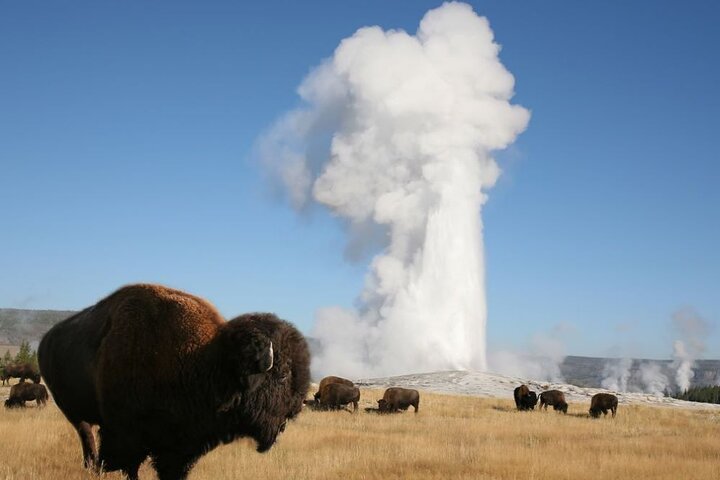
Steaming earth, erupting water, and the bison that own the road.
Top Things to Do in Yellowstone National Park
Find activities and tours you'll actually want to do. Book through our partners -- no booking fees.


Plan Your Trip
Essential guides for timing and budgeting
Climate Guide
Best times to visit based on weather and events
View guide →Day Trips
The best excursions and nearby destinations worth the journey
Explore day trips →Where to Stay
Best neighbourhoods, hotel picks, and booking tips
Find hotels →Travel Insurance
What's required, what coverage matters, and how to get a quote
Read guide →What to Pack
Climate-specific gear, essentials, and what to leave at home
See packing list →When Should You Visit Yellowstone National Park?
Tap a month for weather, crowds, and highlights
View full year-round climate guide →Explore Yellowstone National Park


Your Guide to Yellowstone National Park
About Yellowstone National Park
The first thing you notice isn't the scenery, it's the smell. Sharp. Eggy. Hydrogen sulfide slaps you miles before the park boundary. Yellowstone National Park feels alive, not just pretty. At Grand Prismatic Spring, steam wraps you like a damp blanket while neon rings of orange and turquoise blaze below. Upper Geyser Basin thumps underfoot.
Old Faithful roars in your ribs. Lamar Valley at dawn: frosty breath, gravel crunch, distant elk bugle. Then bison block the road. Patience lesson included. The loop road stretches 142 miles of slow, wild beauty. Bison jams are real. You arrive for geysers. You leave remembering river hush and centuries-clean air.
Travel Tips
Transportation: Bring your own car. No debate. The park is too big for boots. Tour buses chain you to timetables. You need freedom to stop for bear cubs or bison parades. Fill the tank in West Yellowstone or Gardiner. Gas inside costs more. Insider tip: rent a car with a sunroof. Best views hang above the windshield in Hayden and Lamar Valleys. Speed limit stays 45 mph. Wildlife never yields.
Money: Cash still rules many campgrounds, tiny stores, firewood stalls. Cards work at lodges and big cafeterias. Yet spotty signal stalls the swipe. Budget hard. A burger and fries inside runs mid-range city prices. Real savings come from a pre-packed cooler. Stock up in Cody or Jackson. Fuel becomes your second biggest bill. Plan routes to avoid backtracking.
Cultural Respect: This is their house, not a zoo. Stay 100 yards from bears and wolves. Twenty-five yards from bison and elk. No photo is worth a horn in the ribs. Stick to boardwalks in thermal zones. Thin crust can drop you into boiling water. Scalding runoff kills delicate bacterial mats that need decades to regrow. Traffic etiquette counts. Pull over for pictures. Let faster cars pass. Locals, both human and animal, appreciate courtesy.
Food Safety: Forget tacos. Think bears. Every scrap of food, trash, toothpaste, even empty coolers goes into a hard-sided vehicle or bear box. One wrapper on a picnic table can doom a bear. Cook far from your tent. Village food is classic American, hearty, reliable, priced for captive diners. Pack a picnic for the Yellowstone River or Lake shores. Clean like a soldier.
When to Visit
Picking your month is a trade-off between open roads and elbow room. July and August deliver the full package: every road and lodge open, 70-80°F days, meadows painted in wildflowers. Expect crowds. Half the continent queues for Old Faithful. Rooms sell out a year early and prices spike. September is the quiet secret. Crowds vanish after Labor Day.
Elk bugle through golden aspens. Nights freeze. Snow can shut Dunraven Pass any day. Yet you might watch a geyser erupt alone. May and June wake the park. Baby animals stumble beside roaring snowmelt waterfalls. Green erupts everywhere. Dunraven Pass to Tower Roosevelt may stay closed until late May or June. October through April flips the script.
Only the North Entrance at Gardiner to Cooke City stays plowed, open to snowcoaches and snowmobiles. Geyser basins turn silent and crystalline. Wildlife crowds the Northern Range. Spectacular, harsh, cheaper, yet only a slice of the park appears. First-timers wanting the full circuit should aim for late June or early September.
More Ways to Experience Yellowstone National Park
Tours, day trips, and local experiences curated by on-the-ground operators.
Didn't see anything interesting yet?
Browse Viator's full catalog of tours, day trips, food experiences, and private guides in Yellowstone National Park.
See All Yellowstone National Park Tours on Viator