

Things to Do in Yellowstone National Park in September
September weather, activities, events & insider tips
Shoulder Season · Good Value
September Weather in Yellowstone National Park
Temperature, rainfall and humidity at a glance
61°F (16°C)
High Temp
34°F (1°C)
Low Temp
1.6 inches (41 mm)
Rainfall
70%
Humidity
⚠ Snow arrives early at Yellowstone's high points. Mid-to-late September brings storms that shut passes and ice trails above 2,700 m (8,858 ft). Dunraven Pass over Mount Washburn, linking Tower and Canyon, usually falls first. It closes after snowfall. Sometimes it stays closed. The season ends there.
⚠ Temperatures lurch. Afternoon to night, expect 17-22°C (30-40°F) drops. This is normal. Hypothermia kills hikers above treeline. Sudden squalls strike. Wrong layers mean trouble. Exposed ridgelines like Mount Washburn's summit trail amplify the danger. Wind chill bites hard. Pack accordingly.
⚠ September changes the animals. Bull elk rut. Bison rut. Both get mean. July's safe distance becomes September's provocation. Keep 23 m (75 ft) from elk. Keep 91 m (100 yards, 300 ft) from bison. Park rules demand it. Rutting animals outrun you. Every time.
Is September Right for You?
Weigh the advantages and considerations before booking
Advantages
- + The elk rut turns Yellowstone National Park into a wildlife theater unlike anything else on the continent. Mid-September marks the start. Bull elk bugle across Mammoth Hot Springs meadows and the Madison River valley, a sound that carries a mile through cold morning air and stops hikers cold. The bugle begins low, climbs to an eerie whistle, then drops into grunts echoing off canyon walls. You'll hear it before dawn. It will change what you think a national park can be.
- + After Labor Day, summer gridlock vanishes. Old Faithful and Grand Prismatic Spring parking lots, packed by 9 AM in July, now have spaces at noon. Upper Geyser Basin boardwalks, crowded in August, thin out enough to watch Beehive erupt from Geyser Hill without selfie sticks in your face. Campgrounds needing six-month advance reservations now post same-week openings.
- + Fall color peaks across Yellowstone's northern range by mid-to-late September. Quaking aspens along the Tower-Roosevelt corridor and Lamar Valley floor turn luminous gold against dark lodgepole pine. Overcast days sharpen the contrast. Flat light saturates the yellows. The Absaroka Range carries early snow on its ridgeline. Veteran photographers say the two weeks around September 20th deliver the year's best landscape light.
- + September daytime highs of 16°C (61°F) are perfect hiking weather. Cool enough for sustained effort on trails that punished in July's 21°C (70°F) heat at 2,400 m (7,874 ft). Fairy Falls, Mount Washburn summit, and Specimen Ridge traverse all feel better now. The lower sun angle throws longer shadows across the Grand Canyon of the Yellowstone. Canyon walls shift amber to ochre to rust. Summer's overhead sun washes this out.
Considerations
- − Facilities close in rolling waves through September. Lake Lodge and several campgrounds shut in weeks two or three. By month's end, dining options shrink to a handful. Fuel stations cut hours. Arriving after September 15th? Confirm your lodging and road segments are open. The park contracts toward winter. The website lags behind reality.
- − Weather swings hit hard and fast. A 10°C (50°F) blue-sky morning can spawn afternoon squalls. Wet snow falls at higher elevations. Trails above 2,700 m (8,858 ft) turn slick. The gap between a sunny south-facing boardwalk and shaded canyon rim can hit 11°C (20°F) in an hour. Pack for the nighttime low. After sunset, thermometers drop below freezing regularly. Many visitors learn this the hard way.
- − Daylight shrinks fast. September 1st brings roughly 13.5 hours. By September 30th: 11.5 hours. Golden hour hits by 6:30 PM. That's two fewer hours of prime wildlife and hiking time versus July. Dawn departures for Lamar Valley mean waking in full darkness. The park doesn't feel rushed. You will if you're attempting both loops in one day.
Best Activities in September
Top things to do during your visit
Lamar Valley Dawn Wildlife Safaris
Lamar Valley in September is the Lower 48's best wildlife corridor. No contest. The valley floor, wide grassland hemmed by Absaroka peaks, fills with elk herds. Wolves from Druid Peak and Junction Butte pack territories move into visible range. The first two hours after sunrise work best. Thermals haven't carried human scent upvalley yet. September adds the rut: bulls bugling across frost-covered sage, breath visible in 1°C (34°F) air. Coyotes work the margins. Grizzlies dig for ground squirrels on hillsides above. Bring binoculars or a spotting scope for wolves. They hold at 400-800 m (0.25-0.5 miles) from the road. Elk and bison come close. You'll hear hooves on hard ground. Guided safaris depart before first light from Gardiner and park interior. Quality operators carry Swarovski-grade optics and park radios tuned to wildlife frequencies. Post-Labor Day means Lamar Valley pullouts, bumper-to-bumper in August, now have room. See current guided safari options in the booking section below.
Booking Tip: Book two to three weeks ahead for September departures. Dawn tours fill first. Seek operators providing optical equipment and capping groups at 10-12 people. Smaller groups disturb wildlife less. Multi-day safari packages cover more ground. Your wolf sighting odds jump substantially.
Grand Canyon of the Yellowstone Rim Hikes
The Grand Canyon of the Yellowstone runs 366 m (1,200 ft) deep and 30 km (19 miles) long. Sulfur yellow, iron red, and chalky white stripe its walls. The lower September sun hits these bands like a kiln. The South Rim trail from Artist Point to Point Sublime hugs the canyon edge. Lower Falls thunders 94 m (308 ft) below. On windy days, the mist reaches you. Cold. Mineral-sharp. September crowds drop to a fraction of summer's volume. Uncle Tom's Trail, 328 metal steps bolted into the canyon wall, puts you within spray distance of the falls. No 30-minute queue at the top. The North Rim trail to Lookout Point and Red Rock Point gives a different angle. The falls frame against rust-streaked walls. Osprey nest on rock pillars mid-gorge. Cooler September air carries the mist further. Light catches differently. Brief rainbows appear in late-morning sun. Gone by early afternoon. Guided rim and loop hikes book through the widget below. They typically include packed lunch and natural history interpretation.
Booking Tip: Book a week to ten days ahead. Guided hikes fill moderately in September. They do not sell out like summer. Confirm with operators that your preferred trail segments are open. The park occasionally closes sections for maintenance or early-season ice. Bring trekking poles. The metal steps on Uncle Tom's staircase and the North Rim descent get slick from spray.
Upper Geyser Basin and Old Faithful Guided Walks
Old Faithful erupts roughly every 90 minutes. In September, you sit on the benches without being three rows back. That changes everything. But Old Faithful is the anchor. Not the whole show. The Upper Geyser Basin boardwalk loop covers about 5 km (3.1 miles). Morning Glory Pool shifts from deep blue at center to orange and green at the bacterial edges. Grotto Geyser erupts unpredictably. Steam billows sideways across the boardwalk in almost architectural shapes. The smell is unmistakable. Sulfur and warm mineral water hang in cool September air. Sharp enough to taste. Grand Prismatic Spring spans 113 m (370 ft), the park's largest. View it from the overlook trail to the south. Rings of orange, amber, and deep turquoise spread below like a geological eye. September mornings run cold enough that steam obscures the pool from boardwalk level until around 10 AM. The overlook becomes essential. Guided walks provide eruption prediction context and microbiology detail. Colored water becomes one of the planet's most extreme ecosystems. Current options sit in the booking section below.
Booking Tip: Book five to seven days ahead for guided geyser walks. Morning departures mean fewer people. Temperatures hover near 2-4°C (36-39°F) at the start. Afternoon walks run warmer. Steam from hot springs can obscure views. Check Old Faithful's predicted eruption times on the park's official prediction board. Updated daily. Time your visit to catch it plus one or two less predictable geysers along the loop.
Yellowstone Lake Kayak Excursions
Yellowstone Lake sits at 2,357 m (7,733 ft). It is the largest high-altitude lake in North America. September brings windless mornings. The surface turns glassy. Summer's afternoon thermals never allow this. Paddling the West Thumb shoreline, you pass geothermal vents bubbling through the lakebed. Water temperature shifts from numbingly cold to warm within a single paddle stroke. Disorienting. Personal. The Absaroka Range fills the eastern horizon. Snow already caps the higher peaks. Shoreline forest alternates between standing green lodgepole and silver skeletons of trees killed in the 1988 fires. The contrast reads best from water level. September's cooling air brings fewer afternoon wind events. The lake turns dangerous fast when fronts move through. Operators watch forecasts carefully. Half-day and full-day guided paddles launch from Grant Village and Bridge Bay. Post-summer bookings drop. Group sizes shrink. See current kayak tour availability in the booking section below.
Booking Tip: Book at least two weeks ahead. Most kayak operations wind down by mid-to-late September. Weather and water temperature dictate the exact date. Visiting after September 15th? Confirm availability first. Operators provide drysuits or wetsuits and all paddling gear. No prior kayaking experience is typically required for guided lake tours. You should be comfortable in cold water. Morning departures offer the calmest surface conditions.
Grand Teton National Park Day Excursions
Grand Teton National Park begins just 16 km (10 miles) south of Yellowstone's South Entrance. September is the month to see the Teton Range. The cottonwoods along the Snake River turn gold. Summer haze clears to reveal the full 2,100 m (6,890 ft) vertical rise of the Grand Teton from the valley floor. Early snow on the Cathedral Group dusts the peaks white against cobalt sky. The drive south along the John D. Rockefeller Jr. Memorial Parkway drops you into Jackson Hole. The air feels different immediately, drier and sharper. The scale of the mountains hits harder because there are no foothills to soften the approach. Jenny Lake, turquoise from glacial flour, reflects the peaks on still mornings. This clarity draws professional landscape photographers from around the world specifically in the third week of September. Guided day tours from Yellowstone's interior cover both parks in a single long day. They typically depart before dawn and return after dark. September's thinner traffic on the parkway makes the drive more pleasant than the summer crawl. Check current Teton day trip options in the booking section below.
Booking Tip: Book seven to ten days ahead for combined Yellowstone-Teton day tours. Full-day guided excursions typically run 10-12 hours and cover significant driving distance. They work best as a dedicated day rather than squeezed between other activities. Operators who include stops at Oxbow Bend and the Mormon Row historic barns offer the strongest photographic itinerary. Bring a warm fleece and wind shell. The Teton valley floor sits at 1,950 m (6,398 ft). The wind cuts hard even on sunny September afternoons.
Where to Stay in Yellowstone National Park in September
Hand-picked hotels across price tiers for September travellers.

★★★★
Mid-Range
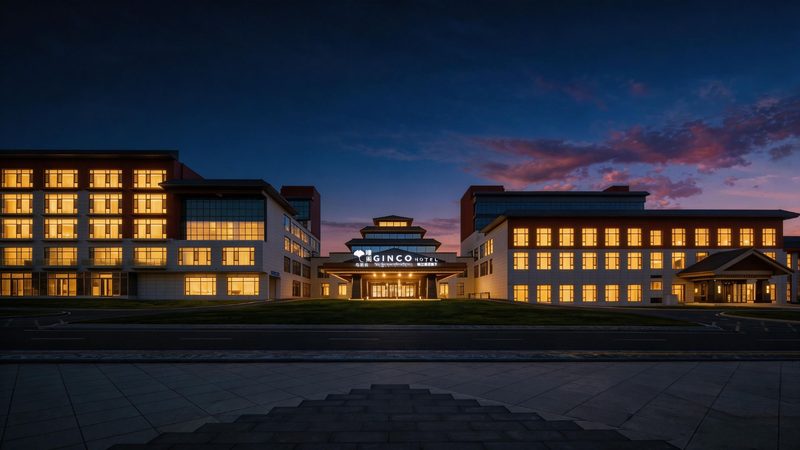
Gesang International Hotel (Wuwei Tianzhu Railway Station)
From $48 / night
Check Prices on Trip.com →
Public Holidays in September
Dates that affect opening hours, transport and crowds
Labor Day
Known in English as Labour Day. Observed nationwide as a public holiday.
Labor Day
Known in English as Labour Day. Observed nationwide as a public holiday.
Labor Day
Known in English as Labour Day. Observed nationwide as a public holiday.
Packing Checklist
Bookmark this page — your progress is saved between visits
Need the full list with shopping links?
Climate-specific gear, brand recommendations, and what to leave at home.
View Yellowstone National Park Packing List →Essential Tips
Insider knowledge and common pitfalls to avoid
Insider Knowledge
The Mammoth Hot Springs Hotel terrace and the surrounding lawns become an elk amphitheater in September. Bull elk bugle from the grass between the hotel buildings, sometimes within 30 m (98 ft) of the dining room windows, and the sound inside the building is surreal, this thin, rising whistle that cuts through walls. Rangers station themselves along the walkways to keep visitors at safe distance. But you can watch and listen from the hotel porch with a coffee. This is the only place in the national park system where excellent wildlife viewing happens while you're standing on a heated veranda.
The Firehole River swimming area, located on Firehole Canyon Drive south of Madison Junction, is one of Yellowstone's least-publicized legitimate swimming spots. Geothermally heated water mixes with the river current, creating pockets warm enough to swim in even as September air temperatures drop. Early September before the road closes is your window. The water smells faintly of sulfur, the canyon walls block wind, and on a weekday you might have it nearly to yourself. Check at the Madison ranger station whether the road and swimming area are still accessible, as closure dates vary by year.
Skip the Old Faithful Inn gift shop crowd and walk the full Upper Geyser Basin boardwalk loop counterclockwise, starting at the far end near Biscuit Basin. Most visitors orbit Old Faithful and stop. The people who walk the full 5 km (3.1 miles) dwindle to almost nobody by the time you reach Grotto and Riverside Geysers, which are arguably more interesting because their eruption patterns are less predictable and the steam effects against September's cold morning air are dramatic, thick white plumes that swallow the boardwalk and leave your jacket damp with mineral condensation.
Gardiner, Montana, the north entrance town, is a better base than West Yellowstone for September visits. The north entrance road stays open year-round, which matters because Yellowstone's other entrances close on variable schedules as winter approaches. Gardiner is also closer to both the Mammoth elk rut and the Lamar Valley, the two experiences that define September, while West Yellowstone puts you nearest Old Faithful but further from the wildlife action. The town has a handful of solid restaurants where ranch hands and park employees eat, the portions are large, the menus are short, and the food is honest. You'll know them by the trucks in the parking lot.
Avoid These Mistakes
Treating elk during the rut like the docile animals they appeared to be in summer photographs. September bull elk are territorial, sleep-deprived, and running on adrenaline. They charge. Every year, visitors who approach within the 23 m (75 ft) minimum distance for a close-up end up sprinting for cover behind cars or getting tossed. The bugling sounds beautiful from a distance, less so when a 340 kg (750 lb) animal pins his ears back and lowers his rack at you. Use binoculars and a long lens, not your legs.
Planning a September itinerary around facilities and roads that were open in July without rechecking. Canyon Lodge dining room, Lake Lodge, and several campgrounds close mid-to-late September on schedules that shift slightly each year. The road between Tower Fall and the northeast entrance (Lamar Valley access from the east) occasionally closes early for construction or weather. Visitors who show up at a closed dining room at 7 PM with no backup plan and an empty tank face a long, dark drive to the nearest gateway town.
Underestimating how cold Yellowstone gets after dark in September. The park sits at 2,400 m (7,874 ft) average elevation, and when the sun drops, temperatures fall fast, often reaching 0°C (32°F) or below by 10 PM. Campers who brought a summer-weight sleeping bag rated to 10°C (50°F) spend the night shivering. Day hikers who lingered for sunset at Artist Point without a warm layer find the 45-minute walk back to the parking lot uncomfortable. Pack for winter evenings, not autumn afternoons.
Ready to plan your trip to Yellowstone National Park?
Now that you've got the research covered, here's where to go next.
Book Experiences in Yellowstone National Park
Top-rated things to do in Yellowstone National Park this September


Explore More Activities in Yellowstone National Park
Didn't see anything interesting yet?
Browse Viator's full catalog of tours, day trips, food experiences, and private guides in Yellowstone National Park.
See All Yellowstone National Park Tours on Viator